CARE-C seminar with guest speaker Dr. Ajit Ahlawat
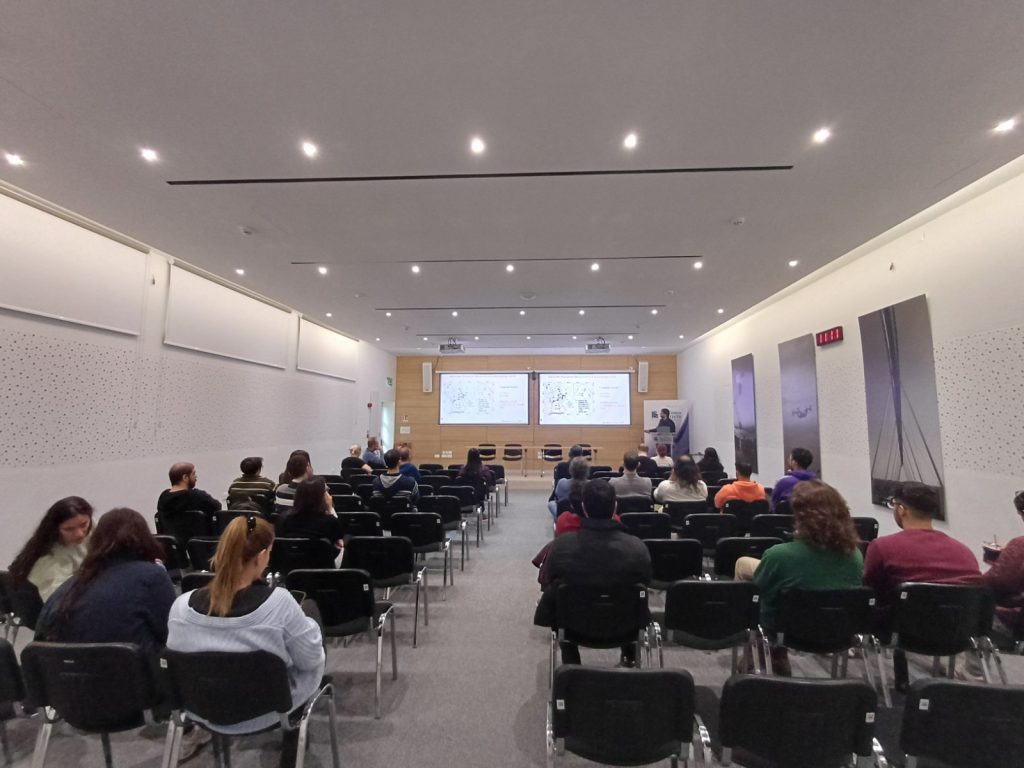
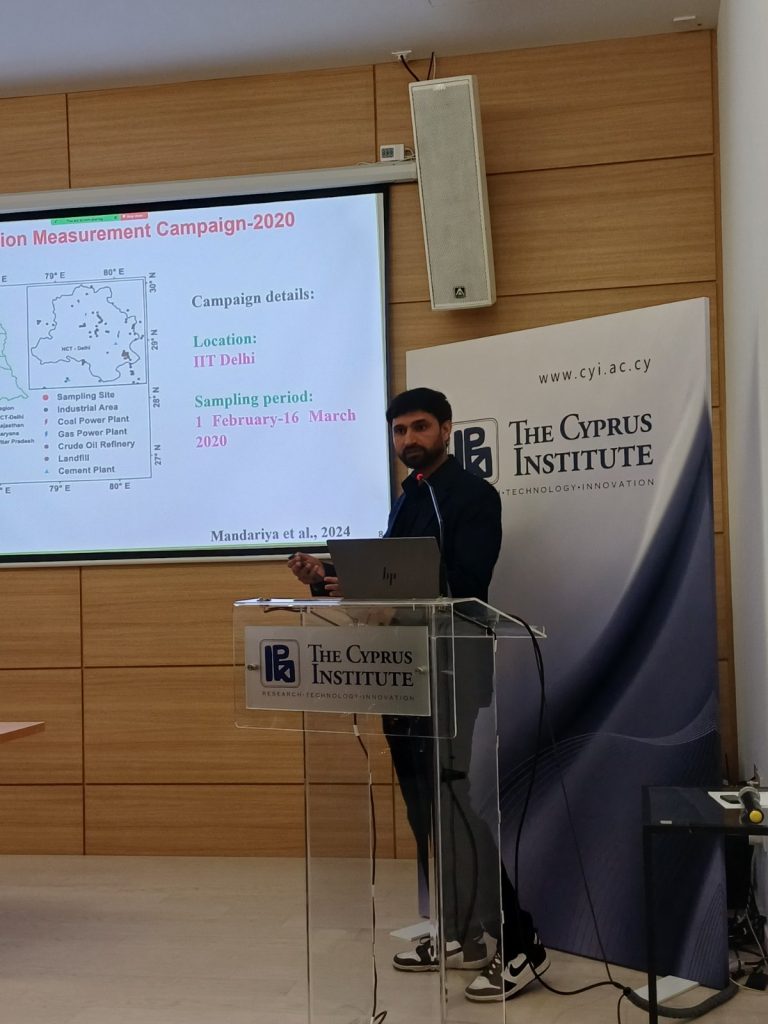
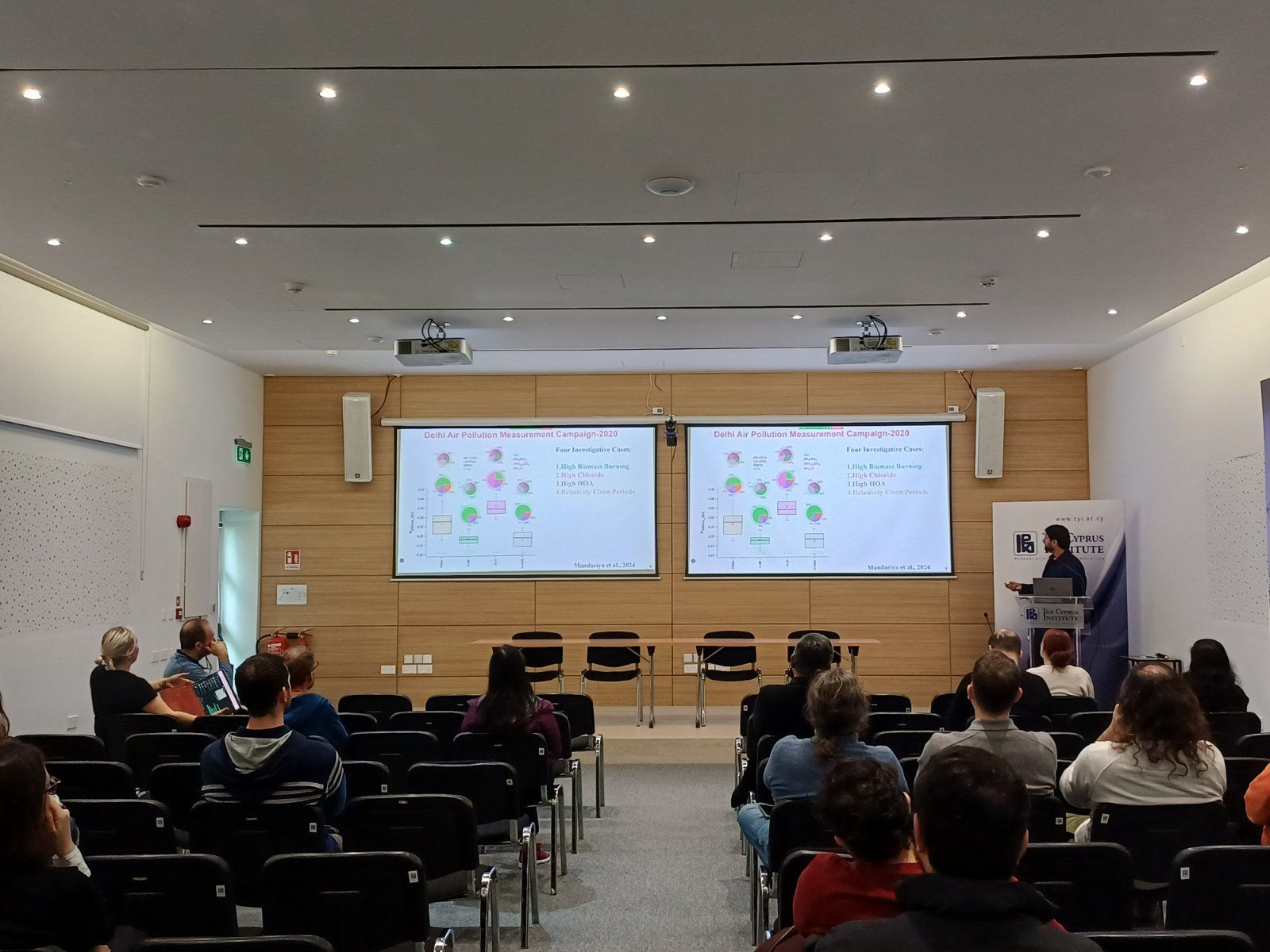
On the 17th of February CARE-C hosted an informative seminar with guest speaker Dr. Ajit Ahlawat, Assistant Professor in the Department of Geoscience and Remote Sensing under the Faculty of Civil Engineering at Delft University of Technology, The Netherlands. The seminar circled around Dr. Ahlawat’s work on urban haze observations and its impact on human health, providing a great opportunity for discussions around work caried out within CARE-C.
Urban haze is common in fast-growing megacities and happens because tiny particles interact with chemicals in the air. Dr Ahlawat’s research focused on urban haze changes during different hours of the day in Delhi, India. Based on his observations at night and early morning, secondary inorganic aerosols, mainly particulate chloride, make haze even stronger. During haze events, drones with particulate matter (PM) sensors were also used to study haze at different heights and to validate a regional air quality model.
To link these processes to human exposure, lung deposition models were used based on observations of particle size, density, chemical composition, and water-uptake (hygroscopicity). The findings highlighted distinct lung deposition patterns under biomass-burning, chloride-rich, hydrocarbon-heavy, and relatively cleaner conditions.
CARE-C is in an ongoing collaboration with Dr Ahlawat (team of Prof. George Biskos) and has recently contributed to his newly published paper “Drone measurements reveal high near-surface urban haze”.CARE-C kindly thanks Dr. Ahlawat for the engaging and insightful seminar.